Style & Elegance
How to Dress Like
the Wealthy Elite
The art of quiet luxury — timeless principles that separate true elegance from imitation.
There is a particular kind of person who walks into a room and commands attention without saying a word. Their clothes are not loud. Their accessories are not ostentatious. And yet something about them signals, unmistakably, a life of refinement. What is that quality — and can it be learned?
The answer is yes. Dressing like the wealthy elite is less about spending money and more about understanding a set of enduring principles. Wealth, at its most sophisticated, whispers. It never shouts. This guide distills those principles into a practical, actionable philosophy you can apply today.
“True elegance is refusal.” — Coco Chanel
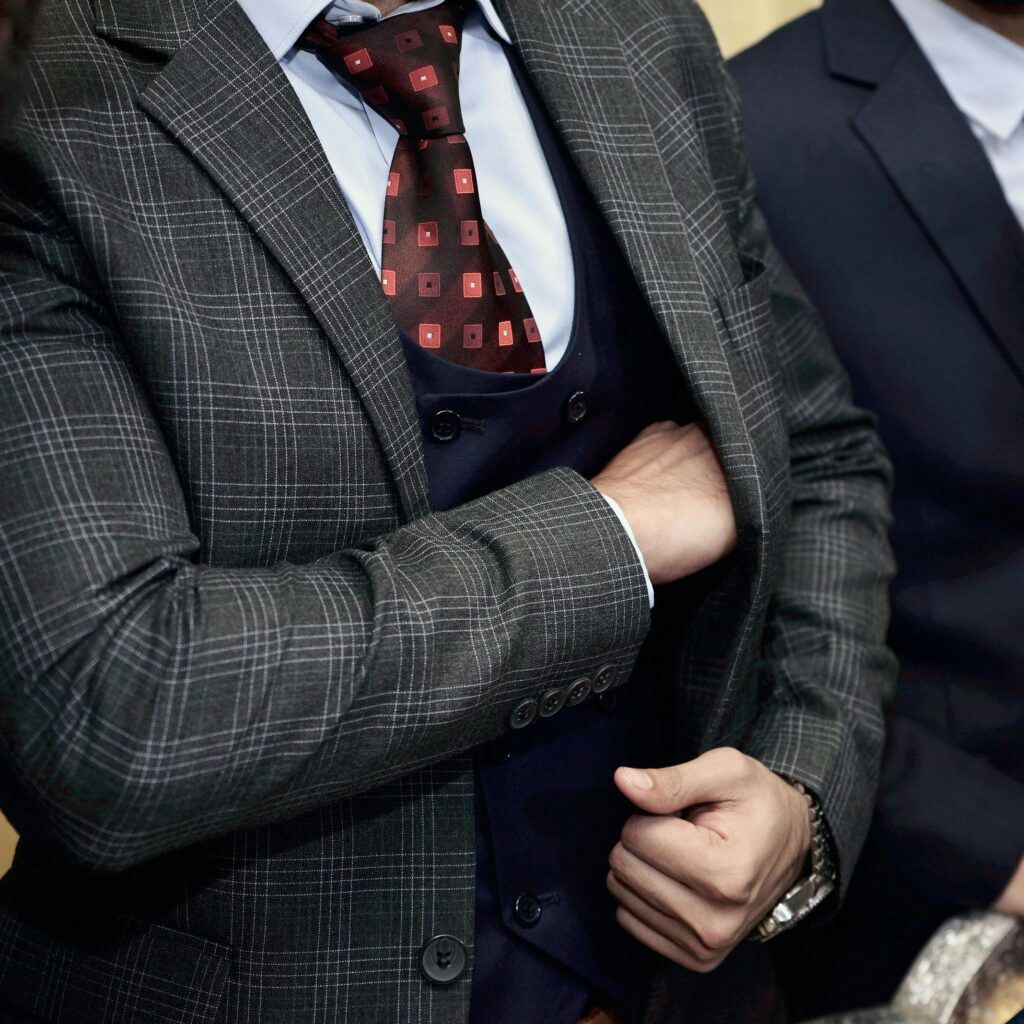
Fit Is the Foundation of Everything
Before fabric, before colour, before brand — fit is the single most powerful determinant of how expensive your clothes look. A bespoke suit from Savile Row worn two sizes too large will always lose to a modest off-the-rack jacket tailored to perfection.
Clothing should skim your body without restricting it. Shoulders should sit precisely at the shoulder seam. Trouser break should graze the top of the shoe. Shirt cuffs should peek exactly half an inch below the jacket sleeve. These are not arbitrary rules — they are the visual language of intentionality.
Find a good tailor. It is the single best investment you can make in your wardrobe. A small alteration fee transforms an average piece into something that looks custom-made.02
The Palette of Privilege: Neutral & Timeless Colours
Observe the wardrobes of the truly wealthy and you will notice a pattern: restraint in colour. Navy, ivory, camel, charcoal, stone, and crisp white dominate. These are not boring choices — they are intelligent ones.
Neutral tones age gracefully, photograph beautifully, and mix effortlessly. They signal that the wearer is not chasing trends; they have arrived at a personal aesthetic that transcends the seasonal. Colour pops are reserved for a pocket square, a silk scarf, or a beautiful watch — never an entire outfit.
Always Work
Navy, ivory, camel, charcoal, white, stone, deep burgundy
Use Sparingly
Rich forest green, dusty rose, warm rust — as one accent piece only
Avoid
Head-to-toe brights, clashing patterns, neon accents, trend-driven palettes
Fabric Is the Language of Quality
Run your hand across a piece of fine wool and then across cheap polyester. The difference is immediate and visceral. Natural fabrics — wool, cashmere, silk, linen, fine cotton — move differently, catch the light differently, and age differently. They breathe, drape, and signal quality to everyone in the room, even to those who cannot name why.
Synthetic fabrics, particularly cheap polyester, have a telltale sheen under artificial light that betrays their origin instantly. When building a refined wardrobe, prioritise natural fibres above all else — even if it means owning fewer pieces.04
The Capsule Wardrobe: Own Less, Choose Better
The wealthy do not have overflowing wardrobes of fast fashion. They tend to own fewer, better things — a philosophy often called the capsule wardrobe. Every piece earns its place by being versatile, high quality, and enduring.
- A perfectly tailored blazer or sport coat in navy or charcoal
- Crisp white and pale blue dress shirts in fine cotton
- Well-cut trousers in wool or heavy cotton — no distressing, no embellishment
- One quality leather belt and shoes that match — always
- A cashmere or merino sweater in a neutral tone
- A classic overcoat — camel or charcoal wool — that transcends seasons
- For women: a silk blouse, tailored wide-leg trousers, and one structured handbag
Quiet Luxury: The Death of the Logo
Perhaps the most important distinction between old money and new money is this: old money does not need to advertise. The era of head-to-toe logos and visible branding — once a symbol of aspiration — is now widely understood as a marker of insecurity. The truly wealthy wear clothes because they are beautifully made, not because of the label inside.
This aesthetic — often called “quiet luxury” or “stealth wealth” — prizes exceptional quality, subtle construction details, and unadorned silhouettes. The seams are perfect. The buttons are horn, not plastic. The lining falls beautifully. These are the details that speak to those who know, and remain invisible to those who do not.
The goal is not to look expensive. The goal is to look like someone who has never had to think about looking expensive.
The Rules: Dos and Don’ts
Do
Invest in one great tailor
Buy fewer, higher quality pieces
Keep shoes polished and immaculate
Wear natural fibres
Choose timeless over trendy
Groom meticulously
Let fit do the work
Don’t
Wear visible logos prominently
Over-accessorise
Wear ill-fitting clothes regardless of brand
Chase seasonal micro-trends
Neglect shoes or grooming
Wear head-to-toe the same colour or brand
Sacrifice comfort for appearance
Grooming: The Final Five Percent
No wardrobe, however impeccable, survives neglected grooming. Clean, well-maintained nails. Hair that is intentional — styled or elegantly unstyled, but never accidental. Subtle or no fragrance. A clear, rested complexion. Grooming signals self-respect, and self-respect is the invisible foundation of all elegance.
Similarly, the condition of your accessories matters as much as their quality. Scuffed shoes undercut any outfit. A worn-out bag contradicts an otherwise pristine look. The elite replace and maintain; they do not neglect.
The Mindset Shift: Posture & Presence
Clothes can only carry you so far. The final — and perhaps most important — element of dressing like the elite is the confidence and ease with which you wear them. Wealthy people tend to move with a certain unhurried quality: straight posture, steady eye contact, a relaxed but aware bearing. Clothes, it turns out, are a costume; the body wearing them is the performance.
Wear your clothes as though you have always worn exactly this kind of thing. Never tug at your jacket, adjust your collar obsessively, or appear uncomfortable. Ease is elegance. Ease is everything.
Dressing like the elite is ultimately a philosophy of restraint, intentionality, and respect for quality. It asks you to buy less, choose better, and wear what you own with unhesitating confidence. It is a practice that rewards patience and punishes haste. Begin with one great piece, one perfect fit, one small act of refinement — and build from there.
— The Art of Dressing Well